Retail Guide Shop
Dogs are among the most beloved pets in the United States. They provide companionship, encourage an active lifestyle, and become an important part of family life. From energetic Labrador Retrievers to small French Bulldogs, dogs come in many shapes, sizes, personalities, and activity levels.
Owning a dog involves more than providing food and shelter. Responsible dog ownership includes choosing an appropriate breed, providing balanced nutrition, offering safe toys, scheduling veterinary visits, maintaining good hygiene, and giving your pet plenty of attention.
In this complete guide, we will explore popular dog breeds in the USA, different types of dog food, useful dog toys, basic grooming, exercise, and practical tips for first-time dog owners.

Dogs are popular throughout the United States because they can adapt to different lifestyles. Some breeds enjoy outdoor adventures and long walks, while others are comfortable relaxing at home with their owners.
Many people choose dogs for companionship, family activities, outdoor recreation, and assistance with certain tasks. Dogs may also participate in activities such as obedience training, agility, hiking, and search-and-rescue work.
However, every dog has individual needs. Before bringing one home, consider your available space, daily schedule, budget, activity level, and ability to provide long-term care.
A dog can be a wonderful companion when its physical, social, and emotional needs are consistently met.
The United States has a wide variety of dog breeds, ranging from small companion dogs to large working and sporting dogs. Popular choices include French Bulldogs, Labrador Retrievers, Golden Retrievers, German Shepherds, and Dachshunds.
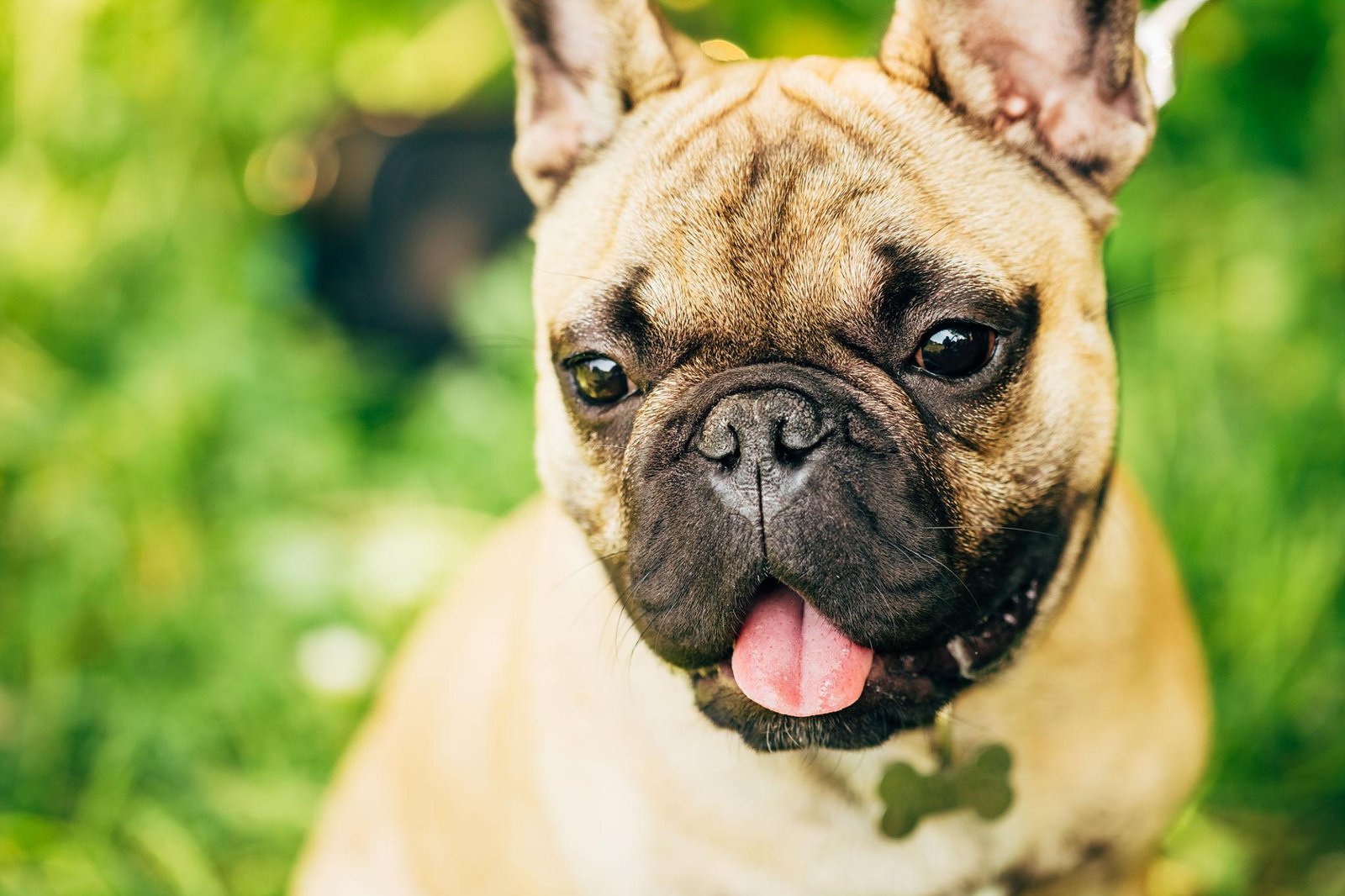
The French Bulldog is a small, muscular companion dog recognized by its distinctive upright ears and short muzzle.
Size: Small
Personality: Affectionate, playful, and alert
Exercise: Short walks and indoor play
Grooming: Relatively low maintenance
Best suited for: Owners seeking a companion dog
French Bulldogs can be prone to breathing difficulties because of their flat faces. Avoid strenuous exercise in hot weather and consult a veterinarian about appropriate care.
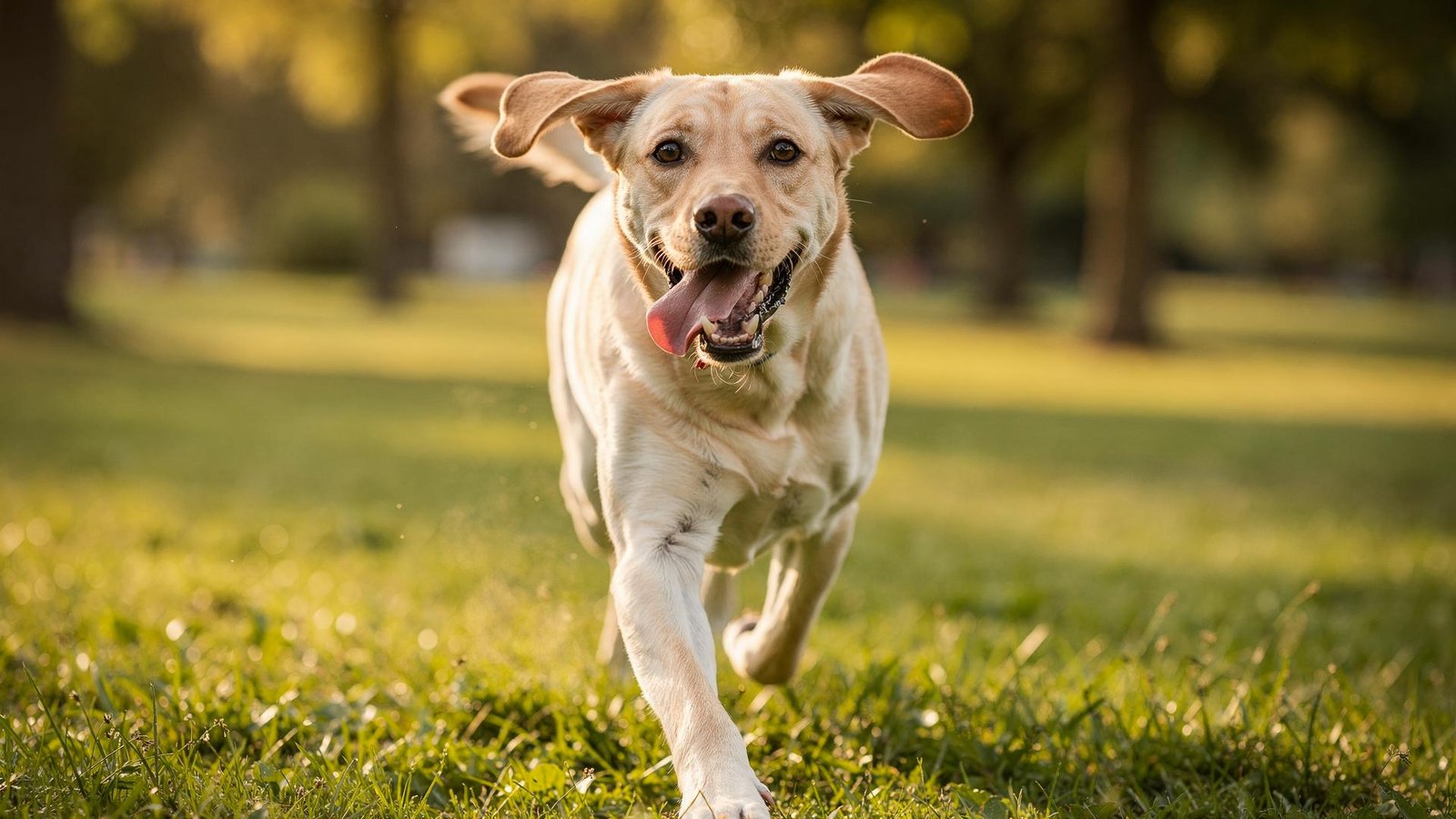
The Labrador Retriever is known for its friendly personality, intelligence, and enthusiasm for outdoor activities. Labs often enjoy swimming, retrieving toys, walking, and learning new commands.
Size: Medium to large
Personality: Friendly, outgoing, and energetic
Exercise: Daily walks, play, and training
Grooming: Regular brushing
Best suited for: Active individuals and families
Labradors may gain excess weight if they receive too many treats or insufficient activity. Measured meals and regular exercise help maintain a healthy body condition.
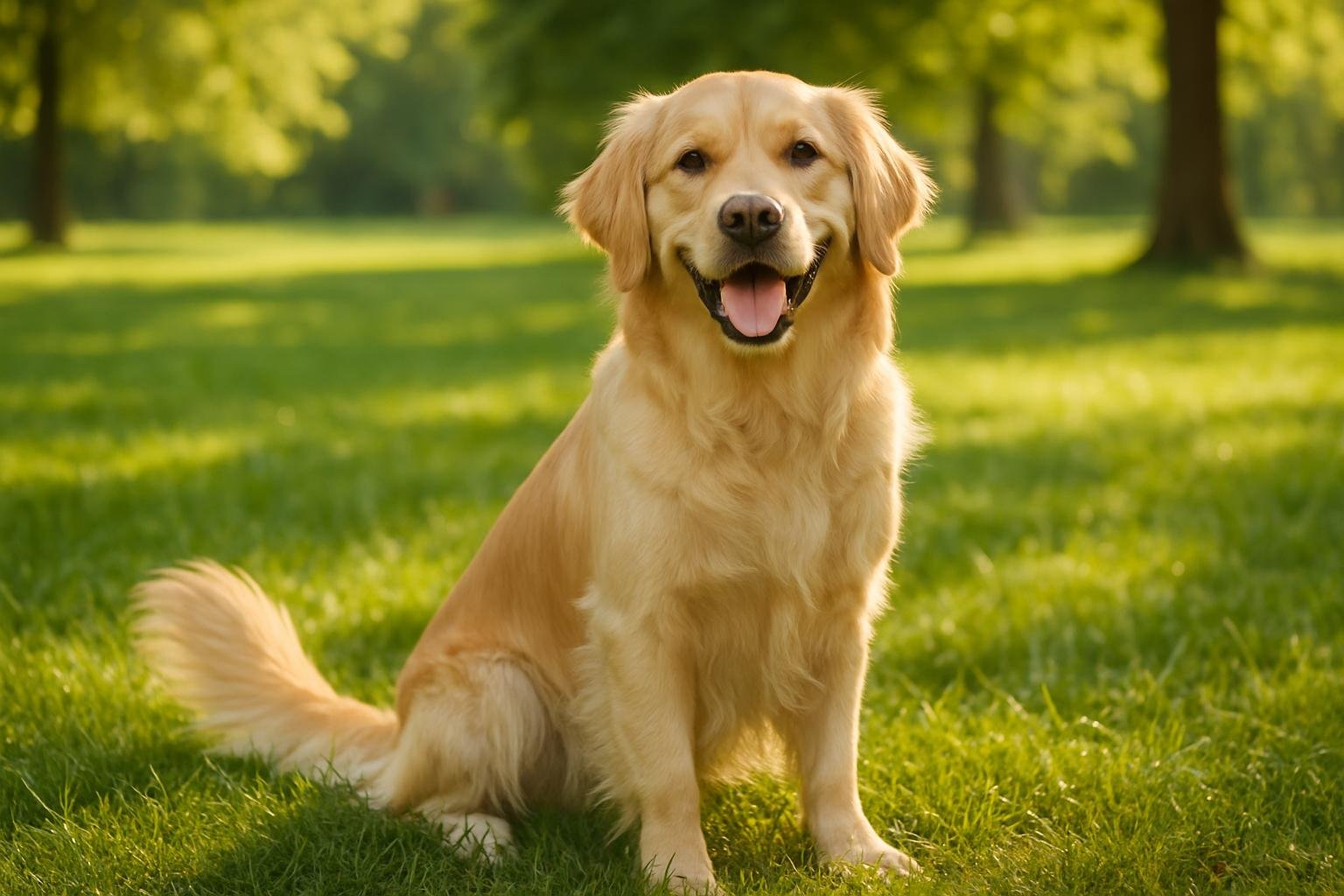
Golden Retrievers are popular for their affectionate nature, trainability, and eagerness to participate in family activities. They typically enjoy walking, retrieving balls, swimming, and spending time with their owners.
Their thick coats need regular brushing, particularly during shedding seasons. They also benefit from consistent training, mental stimulation, and routine veterinary care.
German Shepherds are intelligent, athletic dogs frequently associated with herding, service work, and other working roles. They are generally suited to owners who can provide structured training and regular physical and mental exercise.
Early socialization, positive-reinforcement training, grooming, and responsible handling are important for this breed.
Dachshunds are recognizable by their long bodies and short legs. They come in different coat varieties and sizes, and many are curious, confident, and playful.
Because of their body shape, protecting their backs is especially important. Avoid encouraging repeated jumping from high furniture, manage their weight, and ask your veterinarian about suitable exercise.
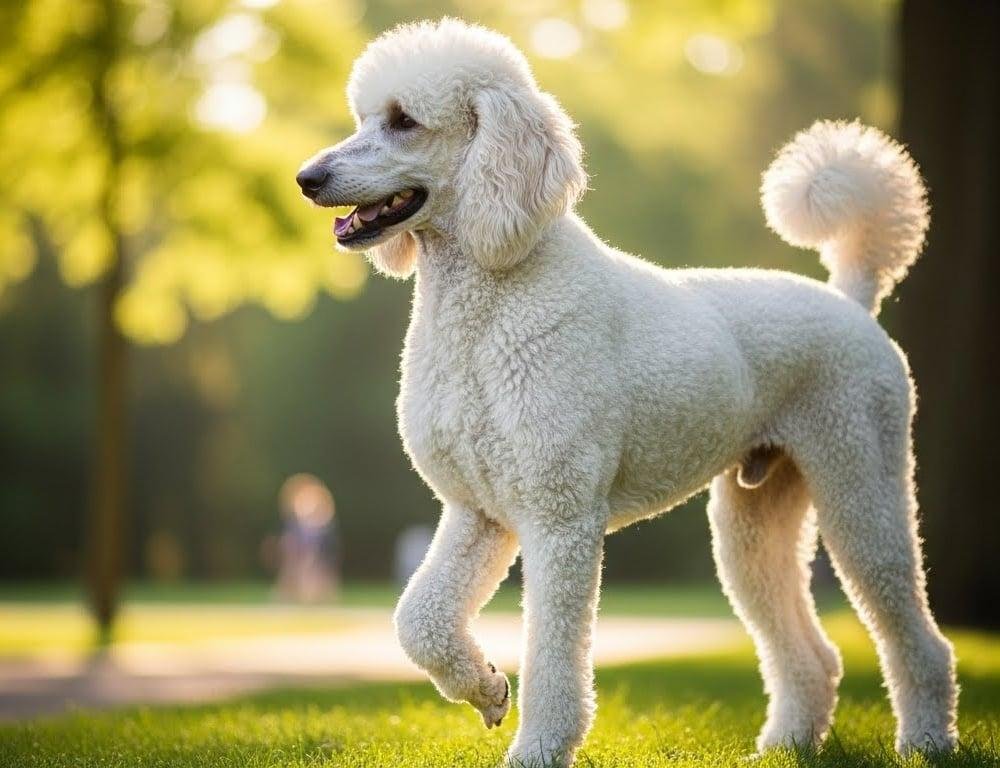
Poodles are intelligent, active dogs that come in Standard, Miniature, and Toy sizes. Their curly coats require regular grooming, and their intelligence makes training and enrichment activities particularly valuable.
Beagles are scent hounds known for their curiosity, friendly nature, and excellent sense of smell. They often enjoy sniffing games, food puzzles, and supervised outdoor adventures.
Secure fencing and leash walks are important because an interesting scent can distract a Beagle from its surroundings.
Dogs can be grouped in several ways, including size, original purpose, activity level, and coat type.
Examples include Chihuahuas, Pomeranians, Dachshunds, and Toy Poodles. Small dogs often need less space than large breeds, but they still require daily exercise, enrichment, socialization, and training.
Examples include Beagles, Border Collies, and many Cocker Spaniels. Their needs vary considerably, so consider temperament and energy level rather than size alone.
Examples include Labrador Retrievers, Golden Retrievers, German Shepherds, and Rottweilers. These dogs may require larger beds, sturdy equipment, more food, and appropriate exercise.
Working and sporting breeds were developed for tasks such as guarding, retrieving, hunting, or assisting people. Many need regular training and activities that challenge their minds as well as their bodies.
Some dogs have been bred primarily for companionship. They can be affectionate household pets, but their social, grooming, exercise, and health requirements should not be overlooked.
Good nutrition is essential for a dog’s growth, energy, muscle maintenance, immune function, and overall health. The right food depends on age, weight, activity level, breed, medical history, and individual tolerance.
In the USA, dog owners can choose from dry kibble, wet food, fresh cooked meals, veterinary diets, and other specialty products. Instead of choosing food based only on advertising or price, look for a complete and balanced diet appropriate for your dog’s life stage.
Dry dog food, commonly called kibble, is one of the most widely used options.
Benefits include convenient storage, easy portioning, and a wide variety of formulas for puppies, adults, and senior dogs.
Wet dog food typically contains more moisture than dry food. Some dogs find its texture and aroma appealing, and it can be useful for dogs that prefer softer meals.
Once opened, refrigerate unused food according to the label and discard leftovers that have been left out beyond the recommended time.
Some dog owners prefer prepared fresh meals. These may be commercially packaged or home-cooked.
A fresh appearance does not automatically mean a diet is nutritionally complete. Home-prepared recipes can lack essential nutrients unless formulated appropriately. Ask a veterinarian or a board-certified veterinary nutritionist before making a home-cooked diet your dog’s primary food.
Puppies grow rapidly and need nutrition formulated for their developmental stage. Choose a complete and balanced food suitable for puppies, including a formulation appropriate for large-breed growth when necessary.
Adult dogs generally need food formulated for maintenance. The ideal portion varies according to body weight, activity, age, metabolism, and calorie content.
Older dogs may benefit from diets tailored to their changing energy needs and health conditions. Your veterinarian can help determine whether your older dog needs a different calorie level, texture, nutrient profile, or therapeutic diet.
Here are examples of dog food brands commonly available in the United States.
Purina Pro Plan: Offers formulas for different life stages, sizes, activity levels, and certain nutritional needs.
Hill’s Science Diet: Provides everyday nutrition products and formulas designed for different stages of a dog’s life.
Royal Canin: Offers diets tailored to different sizes, life stages, breeds, and specific nutritional needs.
IAMS: Offers everyday dry and wet food options for different life stages.
Blue Buffalo: Provides a range of dry food, wet food, and other pet nutrition products.
These are examples, not a ranking or a guarantee that a particular product is suitable for every dog. Check the nutritional adequacy statement, intended life stage, feeding directions, and current product information.
Treats can help reward training and strengthen positive interactions. They should complement, not replace, a balanced diet.
Depending on your dog’s individual needs, suitable options may include:
Small pieces of plain cooked chicken without bones or seasoning
Carrot pieces cut to an appropriate size
Blueberries
Small pieces of apple without the core and seeds
Plain, cooked pumpkin without added sugar or spices
Commercial dog treats formulated for your pet’s size and age
Dog toys are more than entertainment. They can encourage exercise, provide mental stimulation, support training, and offer appropriate outlets for natural behaviors such as chewing, chasing, and sniffing.
Chew toys can give dogs a suitable outlet for chewing. Choose a toy made from dog-safe materials that is appropriately sized and durable enough for your dog’s chewing strength.
Inspect it frequently and replace it if pieces break off, cracks develop, or it becomes small enough to swallow.
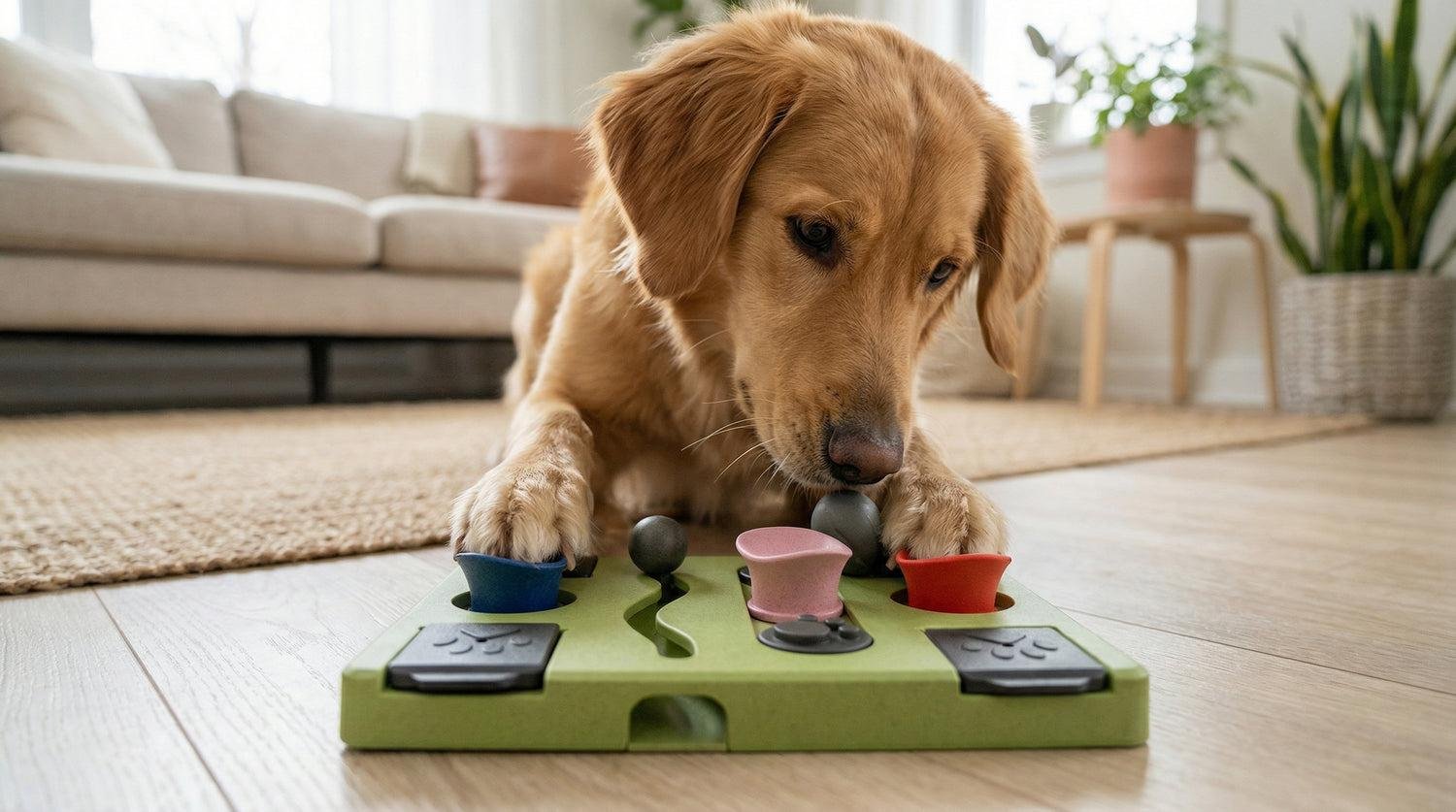
Puzzle toys encourage dogs to use their noses and problem-solving skills to find treats or kibble. They can be especially useful for indoor enrichment and can make mealtime more engaging.
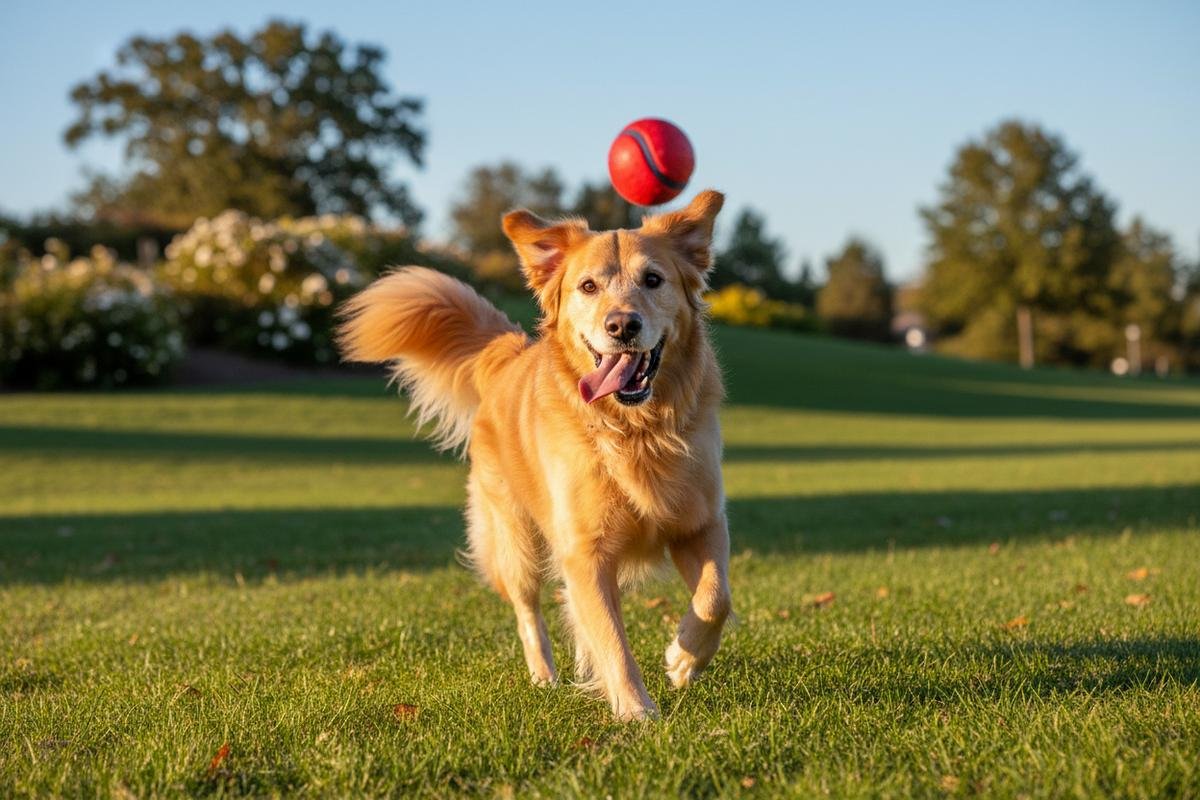
Balls and fetch toys can encourage movement and interaction. Choose a ball large enough that your dog cannot swallow it, and avoid damaged balls that may break apart.
Rope toys can be useful for supervised tug games and interactive play. However, dogs should not be allowed to swallow strands or pieces of rope, which may cause serious intestinal problems.
Soft toys may appeal to dogs that enjoy carrying, cuddling, or gently shaking objects. They are not suitable for every dog, particularly powerful chewers that tear toys apart and swallow stuffing or squeakers.